Investing in NFTs: Strategies for a Thriving Portfolio

The world of NFTs is not just for artists and creators; it’s also a thriving marketplace for investors seeking opportunities in the digital art space. If you’re considering how to “buy NFTs” as an investment, this blog post is your guide to strategies for building a thriving NFT portfolio. We’ll explore the dynamics of NFT investments while introducing you to the captivating NFT collection of Digital Nature V2, where creativity and investment potential converge.

Section 1: The Appeal of NFT Investments

  1. Digital Ownership: NFTs offer a new form of digital ownership, allowing you to invest in unique digital assets that can appreciate in value over time. It’s like collecting rare art but in the digital realm.
  2. Scarcity and Rarity: Just like traditional art, the rarity of NFTs can make them highly sought after, which can lead to increased value. Owning a piece of this digital scarcity can be a lucrative venture.

Section 2: Strategies for a Thriving NFT Portfolio

  1. Diversification: Diversify your NFT investments across different artists, genres, and themes. Think of it as spreading your investments across various industries to reduce risk.
  2. Research and Due Diligence: Before you “buy NFTs,” conduct thorough research on the artists and their work. Understand market trends and emerging talents.
  3. Long-Term vs. Short-Term: Consider your investment horizon. Some NFTs may appreciate quickly, while others may require a longer holding period for significant returns. It’s like choosing between stocks and bonds in a traditional portfolio.

Section 3: Exploring Digital Nature V2 – A Blend of Art and Investment

Now, let’s introduce you to Digital Nature V2, a captivating NFT collection where artistry and investment potential harmoniously coexist. Each piece in this collection showcases the artist’s commitment to bridging the gap between the natural world and digital artistry.

Section 4: Active Engagement in NFT Communities

  1. Connect and Collaborate: Engage with NFT communities and platforms to stay updated on market trends and connect with fellow investors. Networking can lead to opportunities and insights.
  2. Participate in Auctions and Sales: Participate in NFT auctions and sales events. These can be excellent opportunities to acquire unique pieces and diversify your portfolio.

Conclusion: NFT Investments – Art Meets Opportunity

Investing in NFTs is not just about buying digital art; it’s about recognizing the potential for value appreciation in the dynamic world of digital ownership. As you venture into the realm of NFT investments, consider the strategies mentioned in this blog post to build a thriving NFT portfolio.

Explore the captivating NFT collection of Digital Nature V2 and witness how art and investment potential intertwine. By carefully selecting your NFT investments, staying engaged with the community, and diversifying your portfolio, you can embark on a rewarding journey where art meets opportunity. Happy investing!
Understanding NFT Royalties: Earning from Your Art’s Resale

The world of NFTs has not only transformed the way we value digital art but also introduced a fascinating concept: NFT royalties. If you’re an artist exploring this exciting landscape, understanding “NFT royalties” is essential to ensure that you continue to earn from the resale of your art. In this blog post, we’ll dive into the concept of NFT royalties, explain how they work, and introduce you to the captivating NFT profile of Puspendu, where artists embrace the future of art and earn from the ongoing appreciation of their creations.

Section 1: The Basics of NFT Royalties

  1. What Are NFT Royalties?: NFT royalties are like a percentage of the resale value of your artwork. When someone purchases your NFT and subsequently sells it, you, as the original artist, receive a percentage of that resale price. It’s a way to ensure ongoing compensation for your creative efforts.
  2. How NFT Royalties Work: NFT royalties are automatically coded into the smart contract of your NFT. When a resale occurs, the blockchain automatically triggers the royalty payment to you. It’s like having a digital accountant managing your earnings.

Section 2: Benefits of NFT Royalties

  1. Fair Compensation: NFT royalties ensure that artists continue to benefit from the appreciation of their work. It’s like receiving a portion of the profits when your art becomes more valuable.
  2. Incentive for Collectors: NFT royalties also benefit collectors by providing them with an incentive to support emerging artists. Knowing that their investment supports artists’ ongoing careers can encourage collectors to participate in the NFT market.

Section 3: NFT Royalties in Action – Puspendu’s Profile

Now, let’s introduce you to Puspendu’s NFT profile, where you can explore a collection of digital artistry that beautifully marries traditional and digital mediums. Each piece in this collection includes NFT royalties, ensuring that the artist continues to be compensated as his creations find new homes and appreciative audiences.

Section 4: How to Benefit from NFT Royalties

  1. Promote Your Art: The more your NFTs are resold, the more you earn in royalties. Promote your art and engage with your collector community to increase resale activity.
  2. Participate in NFT Communities: Engage with NFT communities and platforms to connect with potential buyers and collectors who appreciate your work.

Conclusion: NFT Royalties – The Future of Artist Compensation

NFT royalties have brought a paradigm shift in how artists are compensated for their creations, ensuring that they continue to benefit from the ongoing success and appreciation of their art. As you navigate the world of NFTs, consider the potential of NFT royalties to provide you with a sustainable income stream.

Explore the captivating NFT profile of Puspendu and witness how artists are embracing this transformative concept to earn from their art’s resale value. By incorporating NFT royalties into your NFT art, you can join the ranks of artists who are shaping the future of artist compensation in the digital age. Happy creating and earning!

How to Price Your NFT Art: Strategies for Success

Pricing your NFT art is an art in itself, a delicate balance between valuing your creativity and appealing to potential buyers. As you navigate the world of NFTs, understanding how to “price your NFT art” is essential for a successful journey. In this blog post, we’ll explore effective strategies for setting the right price for your digital masterpieces while introducing you to the captivating NFT profile of Puspendu, where artistry meets the digital frontier.

Section 1: The Nuances of NFT Pricing

  1. Understand Your Value: Begin by assessing the value of your art. Consider your artistic journey, reputation, and the uniqueness of your creations. Just like in traditional art, experience, and reputation play a role in pricing.
  2. Market Research: Explore NFT marketplaces and examine the prices of similar artworks. It’s like visiting other art galleries to gauge the market.

Section 2: Factors Influencing NFT Prices

  1. Rarity and Scarcity: NFTs derive their value from rarity. Limited editions or one-of-a-kind pieces tend to command higher prices.
  2. Artist’s Reputation: A well-established artist often has the advantage of setting higher prices due to their recognized talent and body of work.

Section 3: Setting Your NFT Art Price

  1. Start Conservatively: For emerging artists or when introducing new works, consider starting with conservative prices. This approach can attract initial interest and build a collector base.
  2. Dynamic Pricing: Some artists adopt dynamic pricing strategies. As your demand grows or with each successful sale, gradually increase the prices of your NFTs.
  3. Tiered Pricing: Offer different tiers of your NFTs with varying prices and benefits. It’s like having options in a restaurant menu, catering to different appetites.

Section 4: Engaging with Your Audience

  1. Transparency: Be transparent about your pricing strategy. Explain the factors influencing your prices in your NFT descriptions. It’s like providing a menu with ingredients listed.
  2. Engage with Collectors: Engage with your audience through social media or NFT communities. Building a personal connection can lead to trust and higher perceived value.

Section 5: The Allure of Puspendu’s NFT Art

Now, let’s introduce you to Puspendu’s NFT profile, where you can discover a captivating collection of digital artistry that seamlessly blends the traditional with the digital. Each piece is a testament to the artist’s commitment to pushing the boundaries of creativity.

Section 6: The Journey Continues

  1. Iterate and Adapt: Your pricing strategy isn’t set in stone. Continuously assess and adapt your prices based on market trends and your artistic growth.

Conclusion: The Art of Pricing

“Pricing your NFT art” is an art form that evolves as you progress in your NFT journey. Remember that it’s not just about assigning a number; it’s about communicating the value of your art to potential collectors.

As you explore the world of NFTs, consider the strategies mentioned and take inspiration from the captivating NFT artistry of Puspendu. By striking the right balance between artistic value and market dynamics, you can embark on a successful journey in the vibrant realm of NFT artistry. Happy pricing and creating!

From Traditional Art to NFTs: Converting Your Creations

In the ever-evolving landscape of art and creativity, a groundbreaking revolution is taking place: the rise of Non-Fungible Tokens (NFTs). Artists from all over the world are now exploring the potential of transforming their traditional artworks into NFTs. In this blog post, we’ll delve into the exciting process of converting your traditional art into NFTs, highlighting the “how to make NFTs” steps while introducing a unique NFT collection, Vintage Cars in Graphite, where creativity meets the digital realm.

Section 1: Understanding the Magic of NFTs

Let’s begin by understanding the essence of NFTs:

  1. What Are NFTs?: NFTs are like digital certificates of authenticity, providing a secure and transparent way to prove ownership and uniqueness in the digital realm.
  2. Blockchain and NFTs: NFTs are built on blockchain technology, which ensures the security and immutability of your digital assets.

Section 2: Preparing Your Traditional Art for NFTs

  1. Selecting Your Art: Choose the traditional artwork you want to convert. Whether it’s a painting, sculpture, or any other form, ensure it’s ready to be digitized.
  2. Digitalizing Your Art: Create high-quality digital copies of your traditional art. These will be the visual representations of your NFTs.

Section 3: How to Make NFTs – The Step-by-Step Process

  1. Choose a Platform: To convert your traditional art into NFTs, you need an NFT marketplace. Popular options include OpenSea, Rarible, and Mintable. We recommend exploring OpenSea for its user-friendly interface and vast community.
  2. Create an Account: Sign up on your chosen NFT marketplace. It’s like setting up your own art gallery.
  3. Mint Your NFT: The term “minting” means creating a new NFT. Follow the platform’s guidelines to mint your digitalized traditional art. This is where you specify the uniqueness of your artwork on the blockchain.
  4. Metadata: Provide metadata for your NFT, including the title, description, and any additional information about your artwork. Think of it as a digital art label that tells the story behind your creation.

Section 4: The Power of NFT Collectibles – Vintage Cars in Graphite

Now, let’s introduce a remarkable NFT collection, Vintage Cars in Graphite, where traditional art meets the digital revolution. Each piece in this collection represents a timeless work of art that captures the essence of vintage cars in exquisite graphite detailing.

Section 5: Owning a Piece of History

  1. Bidding and Buying: Interested collectors can bid on or buy your NFTs using cryptocurrency, such as Ethereum. It’s like acquiring a rare collectible from a prestigious auction.

Conclusion: Your Art, Their NFT

Converting your traditional art into NFTs is a journey that bridges the gap between the physical and digital worlds, opening new doors for both artists and collectors. By following the “how to make NFTs” steps, you can transform your cherished creations into NFTs and share them with a global audience.

As you embark on this exciting venture, don’t forget to explore the Vintage Cars in Graphite NFT collection, where you can discover and own unique pieces of automotive artistry. It’s a testament to how NFTs are revolutionizing the way we appreciate and collect art. Join this digital art movement and let your traditional art find its place in the NFT world. Happy converting!

Demystifying NFTs: How Do NFTs Work?

In the ever-evolving world of digital art and collectibles, NFTs have become the buzzword. But what exactly are NFTs, and how do they work? In this blog post, we’ll embark on a journey to demystify NFTs, unraveling the intricacies of their inner workings in straightforward, relatable terms.

Section 1: Decoding NFTs – What Are They?

Let’s begin by breaking down the acronym NFT:

  1. Non-Fungible: “Non-fungible” means unique and irreplaceable. Unlike cryptocurrencies such as Bitcoin or Ethereum, NFTs are one-of-a-kind digital assets.
  2. Token: Think of a “token” as a digital certificate of authenticity. It verifies the uniqueness and ownership of a digital item.

Section 2: The Technology Behind NFTs

NFTs are powered by blockchain technology:

  1. Blockchain: Imagine a digital ledger that records every transaction transparently and securely. This is the blockchain. It’s the backbone of NFTs.
  2. Smart Contracts: Smart contracts are like digital agreements. They’re programmed to execute specific actions when predefined conditions are met, such as transferring ownership of an NFT when someone buys it.

Section 3: Minting NFTs – Creating Digital Art on the Blockchain

  1. Creating NFTs: Artists and creators can “mint” NFTs. It’s like turning your digital art into a collectible by registering it on the blockchain. During this process, the artwork’s uniqueness is established.
  2. Metadata: Metadata is like an artist’s signature. It contains essential information about the NFT, including its title, description, and, most importantly, its link to the digital artwork.

Section 4: Owning NFTs – What Does Ownership Mean?

  1. Ownership Proof: When you buy an NFT, you receive a digital certificate confirming your ownership. It’s like having a virtual deed for your digital art.
  2. Public Ledger: The blockchain’s public ledger means that ownership history is transparent and can be verified by anyone. It’s like an art piece’s provenance, recorded for all to see.

Section 5: How Do NFTs Work for Artists and Collectors?

  1. Selling NFTs: Artists can sell their NFTs on digital marketplaces. It’s like putting your artwork up for auction but in the digital realm.
  2. Buying NFTs: Collectors can buy NFTs using cryptocurrency. Once purchased, the NFT is transferred to the collector’s digital wallet. It’s like acquiring a rare collectible.

Section 6: The Value of Scarcity and Ownership

  1. Scarcity: NFTs derive their value from their scarcity and uniqueness. Just like a limited-edition print of physical artwork, the rarity of NFTs can make them highly sought after.
  2. Ownership and Authenticity: NFTs provide a way to prove ownership and authenticity in the digital world. They ensure that you own a legitimate digital item, not a copy.

Section 7: Unique NFT Collections

If you want to buy unique NFTs that showcase the innovative blend of artistry and technology, look no further. Explore Puspendu’s exclusive collection of NFTs by clicking the link https://opensea.io/puspendu789. Discover a world where creativity knows no bounds, where each NFT is a digital masterpiece waiting to find its new home. Don’t miss the opportunity to own a piece of this digital revolution and become a part of the exciting future of art and collectibles.

Conclusion: The NFT Revolution

NFTs have brought about a revolution in the art and digital collectibles world, forever changing how we perceive and value digital creations. They work by utilizing blockchain technology to create, verify, and exchange unique digital assets securely and transparently.

As you explore the world of NFTs, remember that owning an NFT is not just about possessing a digital file; it’s about owning a piece of digital history and supporting artists and creators in this exciting new frontier. So, whether you’re an artist looking to mint your creations or a collector seeking digital treasures, NFTs have opened up a world of possibilities that are just waiting to be explored.

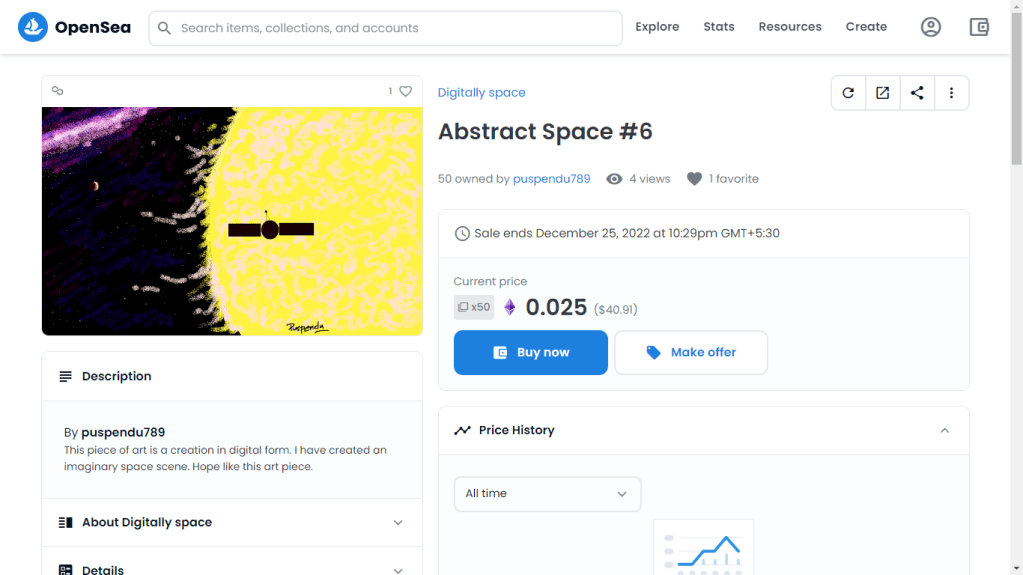
Satellite passing by a star (NFT)

Hi! everyone! sharing an unique NFT art creted by me. A satellite passing by a star. You can buy and own this NFT from Opensea.io

https://opensea.io/puspendu789

Here is the link.

https://opensea.io/assets/matic/0x2953399124f0cbb46d2cbacd8a89cf0599974963/88393128096945680493819299387994149993590007456619600834920676949109376024626/